
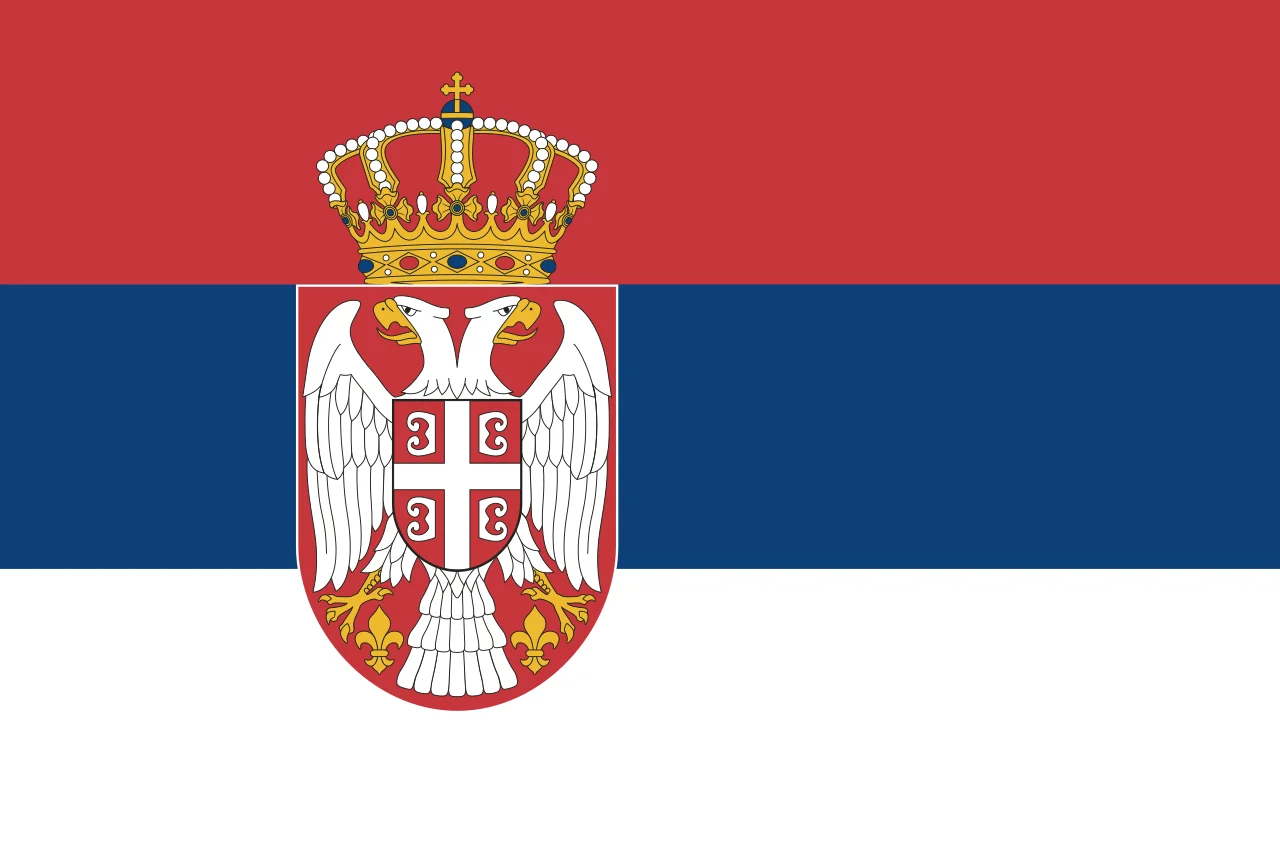
A brief analysis of the state, problems, and development prospects of nuclear medicine in the countries of the former Yugoslavia.

The region of the former Yugoslavia represents a heterogeneous landscape in terms of the development of nuclear medicine. Slovenia and Croatia, being members of the EU, are integrated into the European regulatory framework (Euratom) and have high levels of equipment availability. Serbia is the regional leader among non-EU countries, actively investing in state centers. Bosnia and Herzegovina, North Macedonia and Montenegro are at the stage of establishing modern infrastructure, often relying on the services of neighboring countries.
Latest News

Welding of the primary ring on the second block of the Akkuyu Nuclear Power Plant in Turkey has been completed.
The Akkuyu Nuclear JSC, a subsidiary of the Russian state corporation Rosatom, has completed welding...

Welding of Akkuyu 2's primary circuit completed
The welding of the main coolant pipeline at the Turkish site was completed in 73 days and included 3...

Endless saga – a dispute over August threatens to delay Sizvel C
Due to disagreements over costs and changes to a project worth around 30 million pounds, the managem...
_28347.jpg)
Reactor technology selection process progresses in Netherlands
The design study, known as Front-End Engineering Design (FEED 1), will be carried out in two phases....

Comments
No comments yet. Be the first!
Leave a comment